Story By: Chris Prochut
Photography By: Andres Beligoy
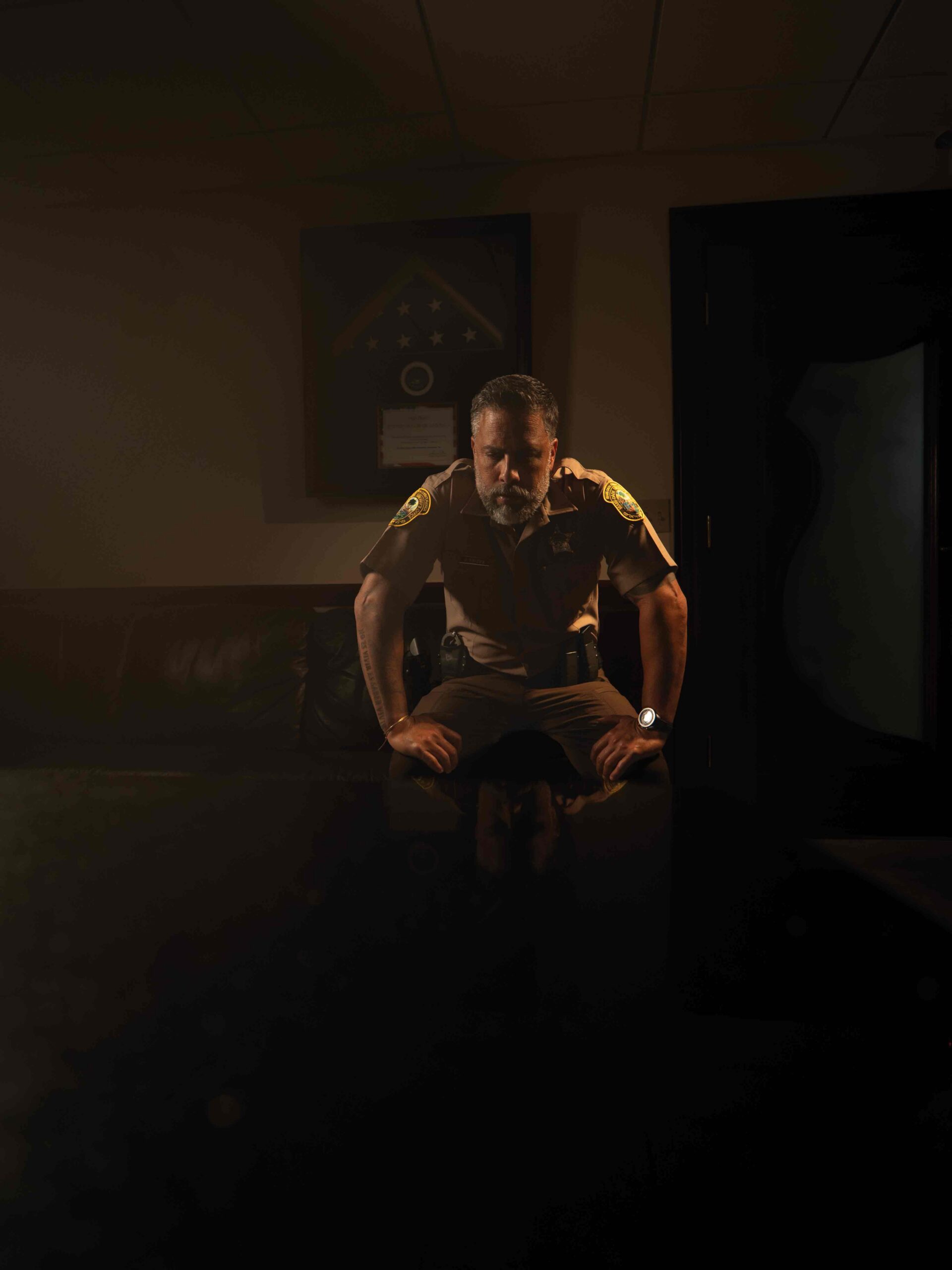
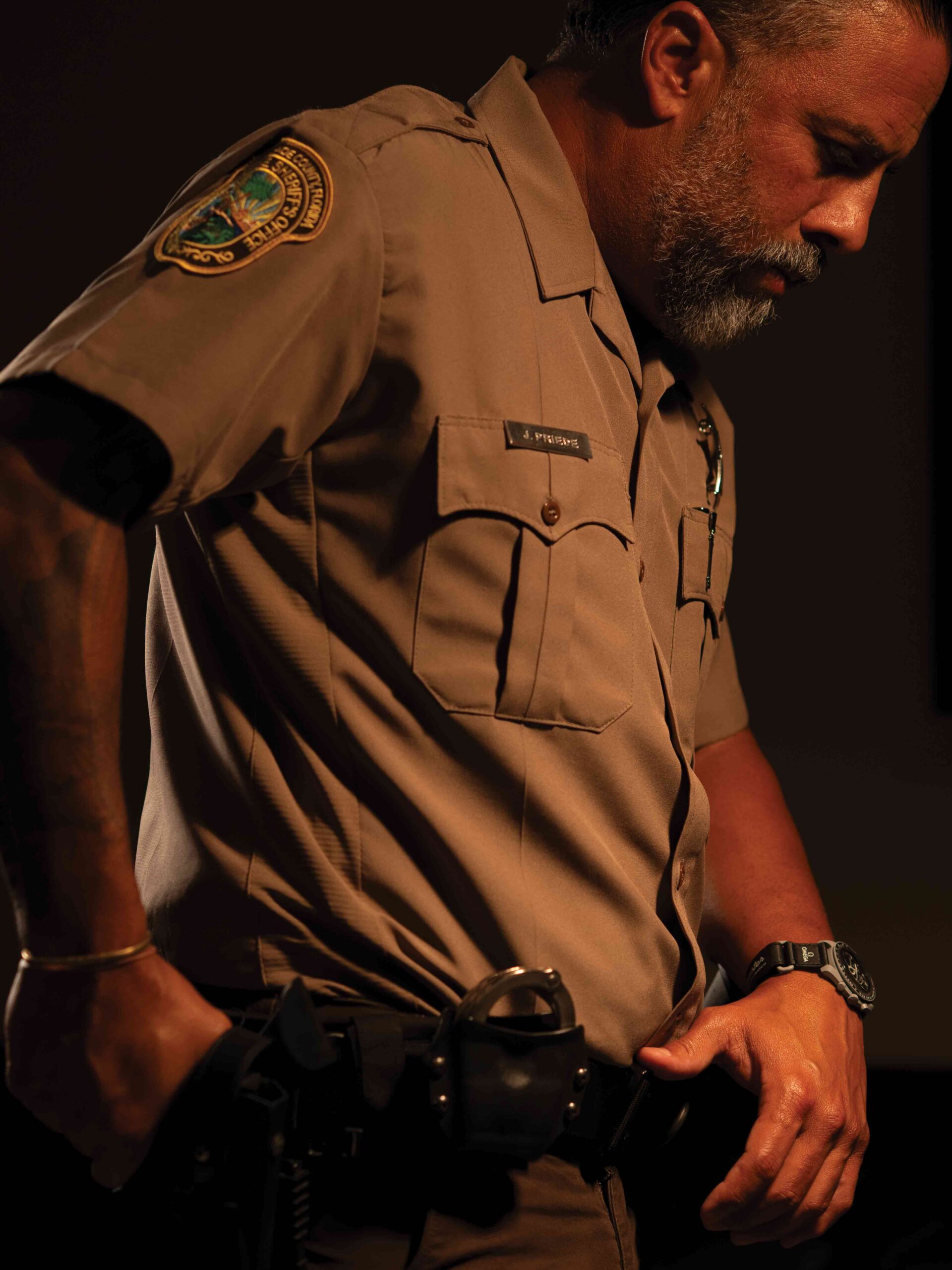
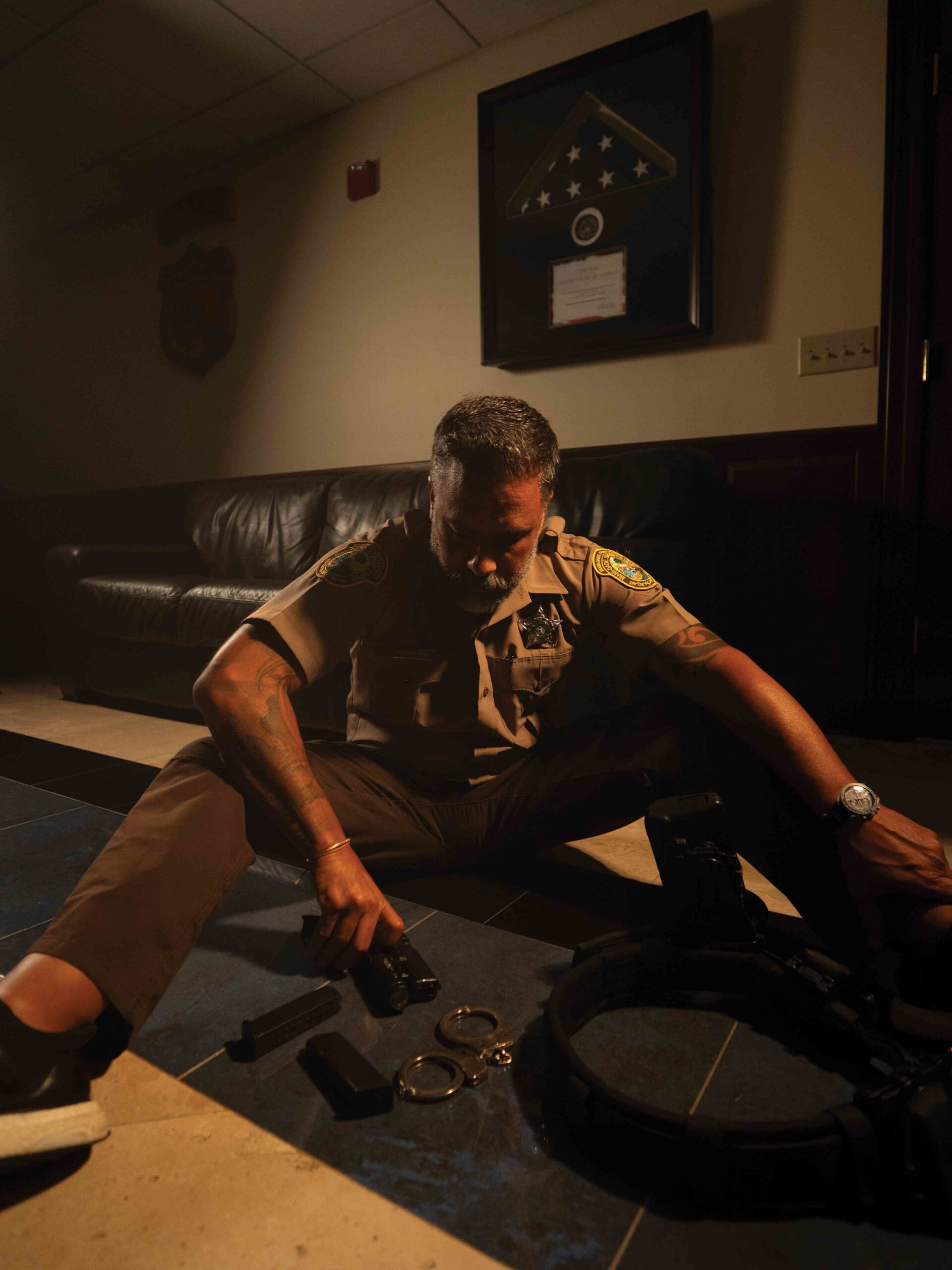
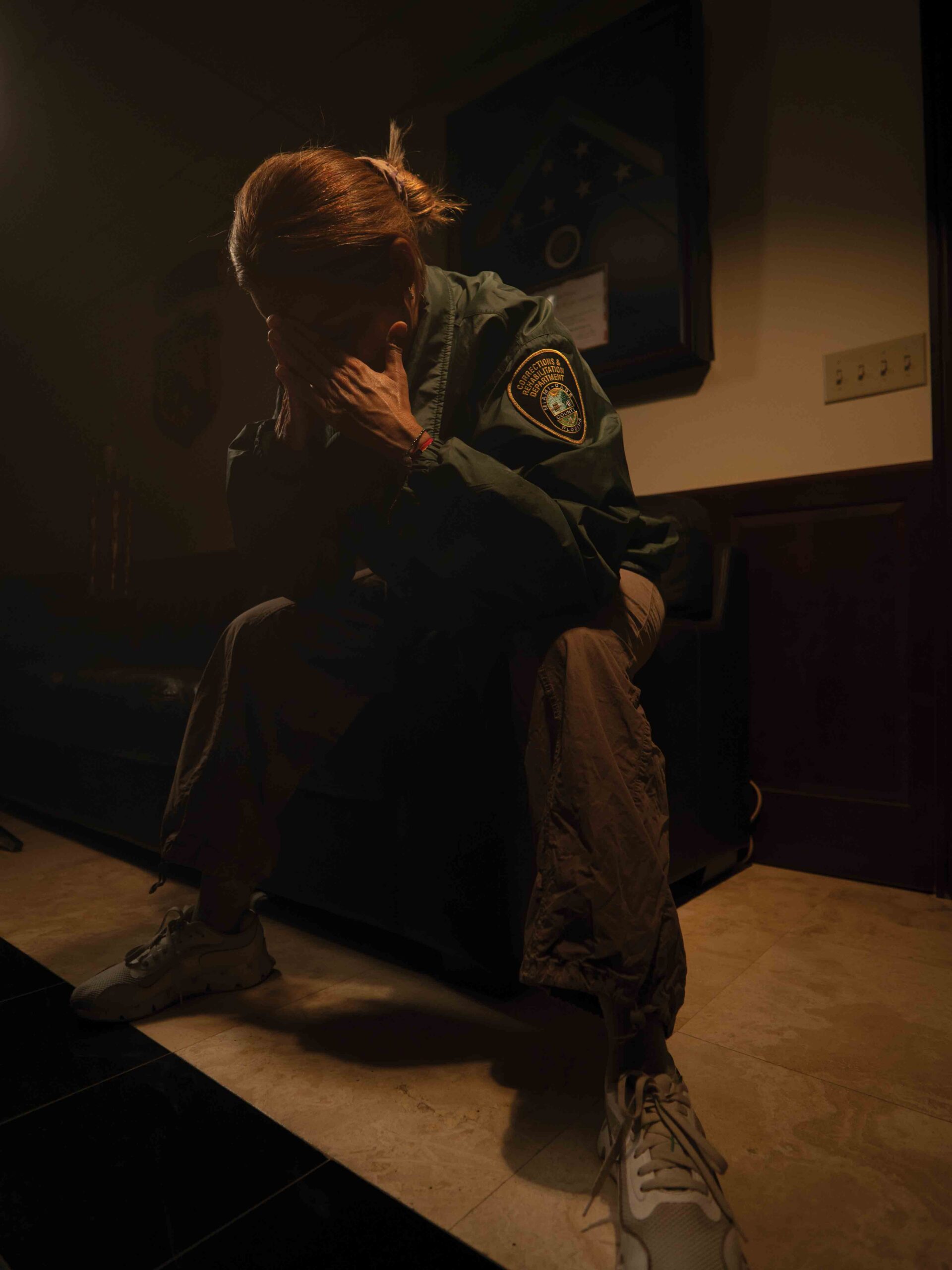

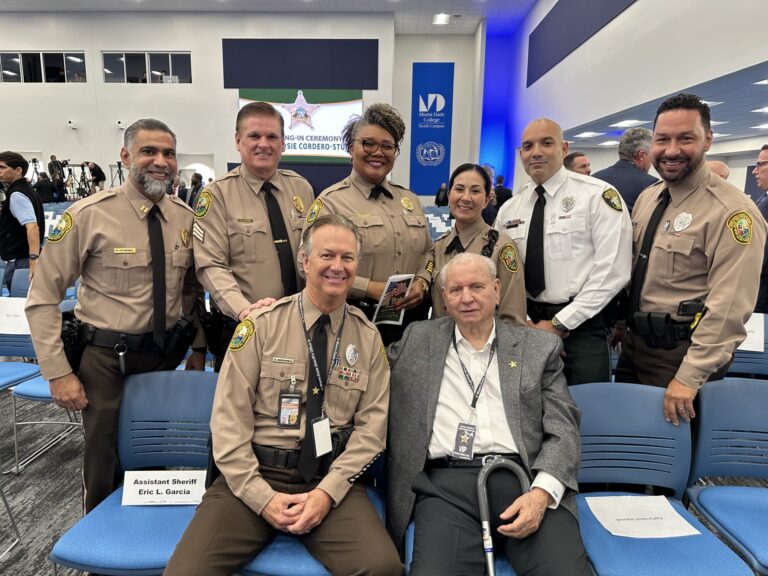
Special thanks to South Florida PBA Board of Director Julio “JP” Priede for participating in this cover story.
One life lost to suicide is one too many.
Yet after every tragedy, we often hear the same heartbreaking words:
“I had no idea.”
“He seemed fine.”
“She never said anything.”
“I wish I would have known.”
Those words are usually spoken by good people who cared deeply, worked beside that person, laughed with them, trusted them, and would have done anything to help if they had known how much pain was hiding behind the words, “I’m fine.”
But what if the better question is not whether they reached out? What if the better question is whether we reached in?
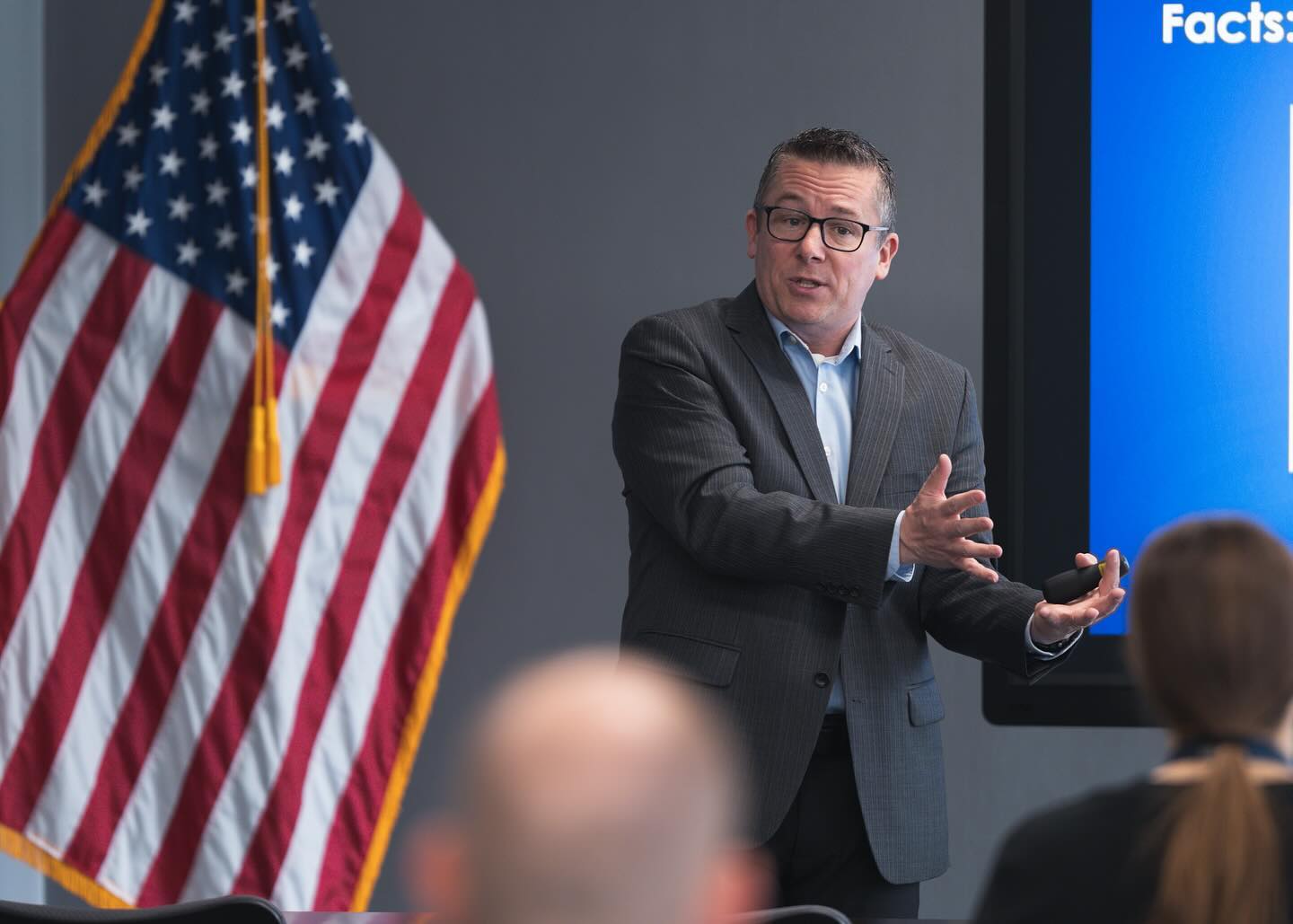
For the past fifteen years, I have had the privilege of speaking with more than 18,000 first responders across the United States and Canada about mental health, suicide prevention, stigma, and what it truly means to take care of our own. I do this work because, in 2008, I nearly became another law enforcement suicide statistic.
I was a police commander. I had spent my career helping people through the worst moments of their lives. I was trained to take control, solve problems, make decisions, and protect others. Like many in this profession, I believed I was supposed to have the answers. I believed I was supposed to be strong enough to carry whatever came my way.
But I was not okay.
The stress of a nationally publicized case, the pressure I placed on myself to protect my department, and the belief that I had failed those around me became more than I could carry. I became angry, exhausted, distant, and hopeless. I smiled when I needed to smile. I showed up when I needed to show up. I carried on conversations. And I told people I was fine.
I was not.
My wife saw the changes long before I admitted them to myself. She reached in when I could not reach out. Her decision saved my life.
The intervention that saved me also ended my law enforcement career. At the time, I believed I had lost everything. I had lost the badge, the identity, the career, and the purpose I had spent years building. For a long time, I thought losing my badge meant I had lost my purpose. Instead, I discovered my greatest act of service would happen after I took off the uniform.
That realization did not come quickly or easily. It came through pain, humility, healing, and the willingness to speak openly about the very things I once tried so desperately to hide. But over time, I began to understand something important: sharing our struggles does not make us weaker. It gives others permission to stop suffering in silence.
One of the greatest lessons I have learned is that we spend far too much time waiting. We wait for someone to ask for help. We wait until an officer says they are struggling. We wait until job performance declines, until the marriage is falling apart, until alcohol becomes the coping mechanism, until they isolate themselves, or until the laughter disappears from someone who used to light up the room.
Sometimes, we wait until it is too late.
What if we stopped waiting? What if we stopped believing it is solely the responsibility of the person who is struggling to begin the conversation? What if looking after one another means having the courage to reach in before someone reaches out?
If your partner has become quieter than usual, reach in.
If they have stopped joking around, reach in.
If they seem disconnected, reach in.
If something simply feels different, do not wait for certainty. Start the conversation.
You do not need the perfect words. You do not need to know exactly what to say. You do not need to have all the answers. You simply need to let someone know they do not have to carry the weight alone.
I believe this is where law enforcement culture must continue to grow. We do not lose officers because they do not know how to ask for help. Too often, we lose them because we have built a culture that teaches them they should not have to.
Somewhere along the way, many of us learned to confuse silence with strength. We learned to believe that being vulnerable meant being incapable. We learned that asking for help might make us look weak, unreliable, or unfit for duty. So instead of telling the truth, we mastered the performance. We put on the uniform, answered the calls, handled everyone else’s crisis, and buried our own.
But pain does not disappear because we ignore it. It just gets carried into the next shift, the next call, the next argument at home, the next sleepless night, and the next moment when someone wonders if the people around them would be better off without them.
That is why conversations matter.
One mistake I have made, and one I see many of us make, is believing we have to fix everything. Maybe that is because we are cops. People call us because they expect solutions. We are trained to solve problems, restore order, and take action. But emotional pain does not work that way.
Sometimes people do not need advice. They do not need a motivational speech. They do not need to hear how someone else handled a similar situation. Sometimes what they need most is someone willing to sit beside them in their pain without trying to immediately take it away.
They need someone to listen. Really listen. Without judgment. Without interruption. Without trying to fix what is not ready to be fixed.
Some of the most powerful words I have ever learned to say are simply, “Tell me more.”
There is no magic in those three words, but there is safety in them. There is patience in them. There is an invitation in them.
“Tell me more” says, “I am not afraid of what you are carrying.”
It says, “You do not have to clean this up before you share it with me.”
It says, “I am here, and I am not leaving just because this conversation is uncomfortable.”
I have also learned that authenticity is contagious. For years, I thought sharing my struggles would cause people to lose confidence in me. The opposite happened. When one officer has the courage to say, “I have struggled too,” something remarkable happens. The walls come down. Permission is granted. The conversation nobody wanted to start suddenly becomes the conversation everyone needed.
Leadership is not pretending you have never struggled. Leadership is creating an environment where others know it is safe to admit they have. That applies to chiefs, sheriffs, command staff, supervisors, peer support members, field training officers, union leaders, and every officer sitting next to another officer in a squad room.
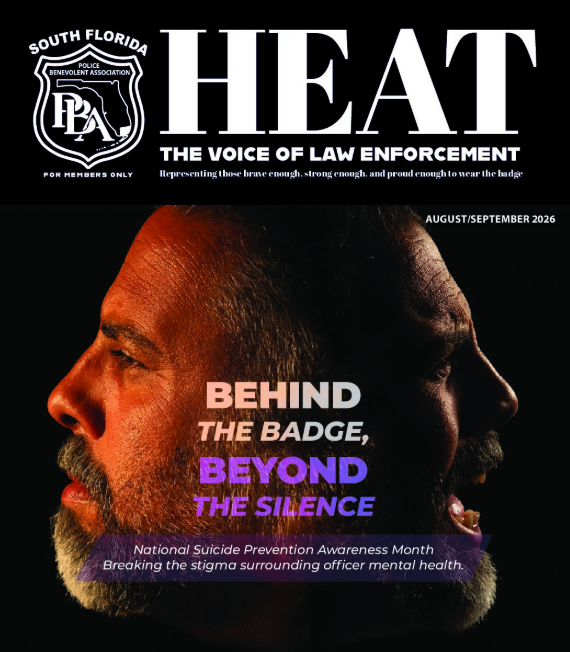
This September, during Suicide Prevention Awareness Month, my challenge is not only for those who may be struggling. It is for every one of us.
Have the courage to start the conversation. Have the humility to listen. Have the compassion to share your own story. Reach in before someone reaches out. Ask one more question. Stay one minute longer. Remind someone they matter.
Because courage is not found in carrying every burden alone.
Sometimes courage sounds like five simple words:
“I need a little help.”
And sometimes it sounds even more powerful when spoken to someone else:
“I’m here. Tell me what’s going on.”
Conversations save lives. I know. Because one of them saved mine.
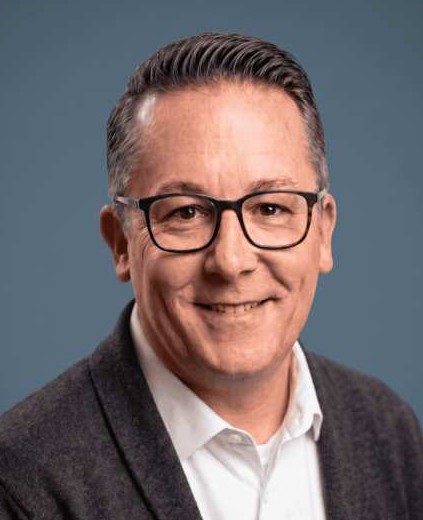
Chris Prochut
Mental Health Advocate | Suicide Prevention Trainer | Former Police Commander
Website: www.talk2endstigma.com
Chris Prochut is a former police commander and nationally recognized mental health advocate who has presented to more than 18,000 first responders across the United States and Canada. His presentation, Taking Care of Our Own, focuses on suicide prevention, stigma reduction, officer wellness, and creating a culture where reaching out for help is seen as courage, not weakness.
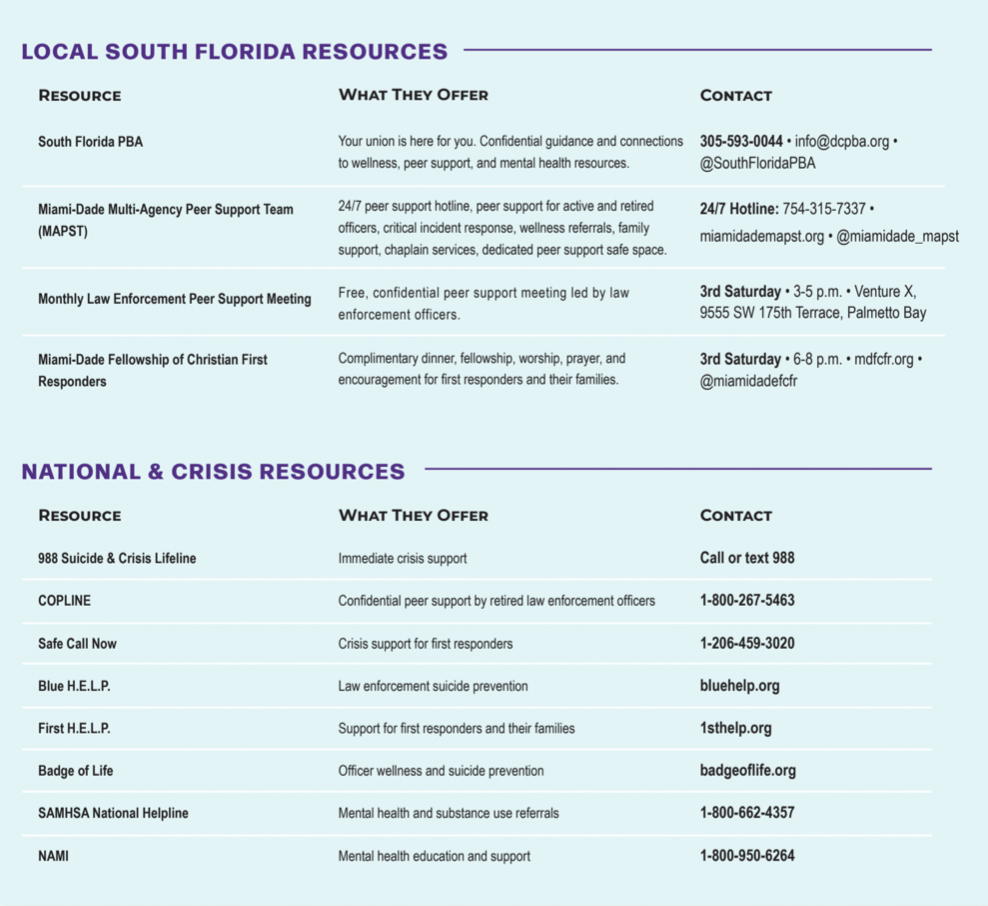
Understanding Peer Support
Peer support is built on shared experience and promotes wellness, resilience, and recovery among first responders. It is not psychotherapy, counseling, medical care, legal advice, or a substitute for professional mental health treatment.
A Message to Officers
Asking for help is not a sign of weakness. It is a sign of strength and professionalism. Every day, law enforcement officers answer the call for others. When the weight of the job becomes too heavy to carry alone, reaching out is one of the most courageous decisions an officer can make.